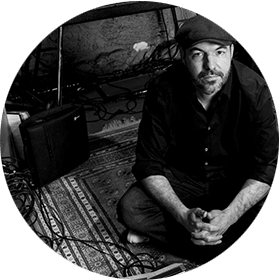
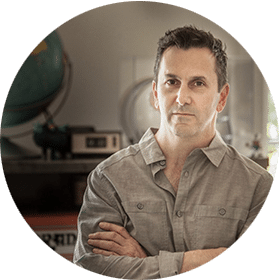
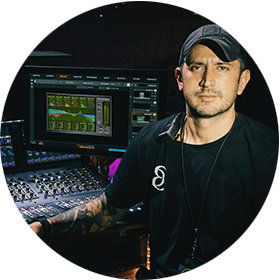
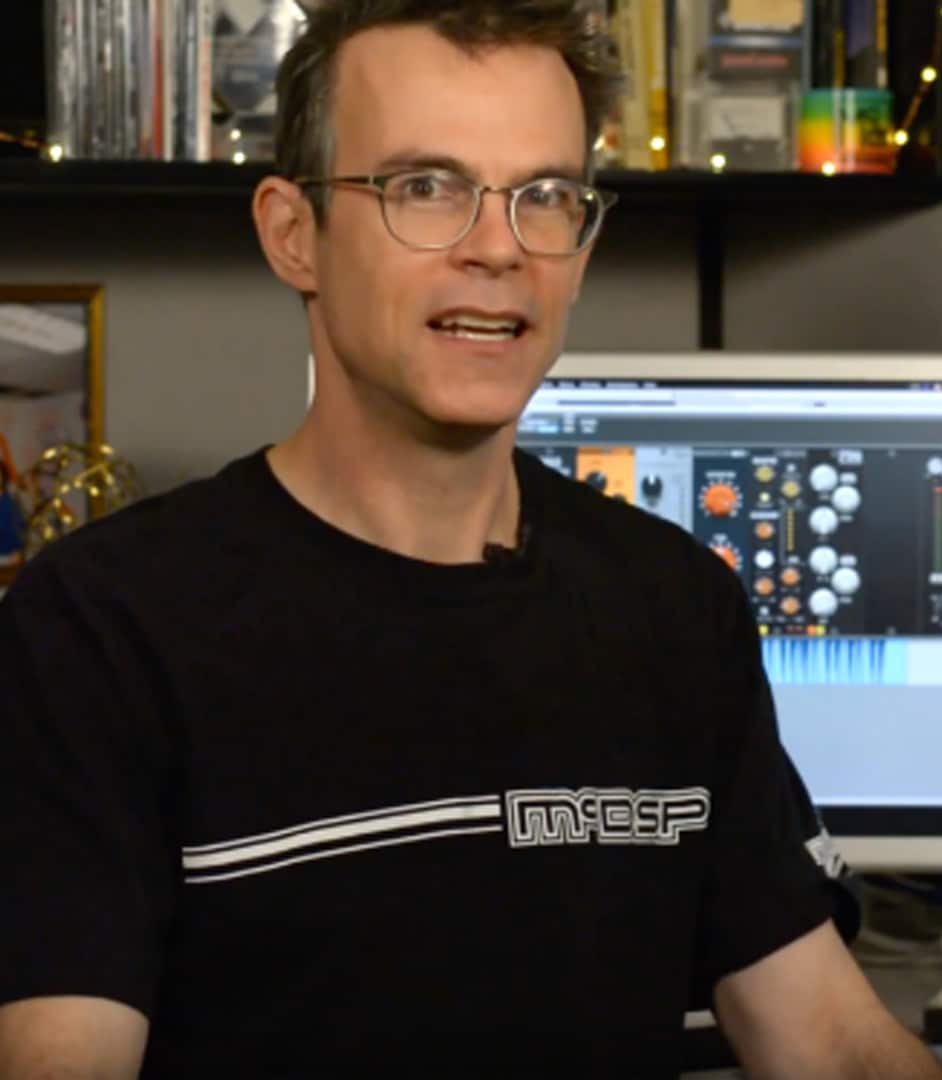
Two of EMI Music Publishing’s top producers and songwriters, Michael Mani and Jordan Omley, have collaborated into “The Jam” duo. Working together for five years, they have collaborated with artists such as Santana, Raven Symone, Blake Lewis, X-Factor winner Leona Lewis and many others. They have currently been working with the Nickelodeon hit TV show, Star Camp, produced by Quincy Jones.
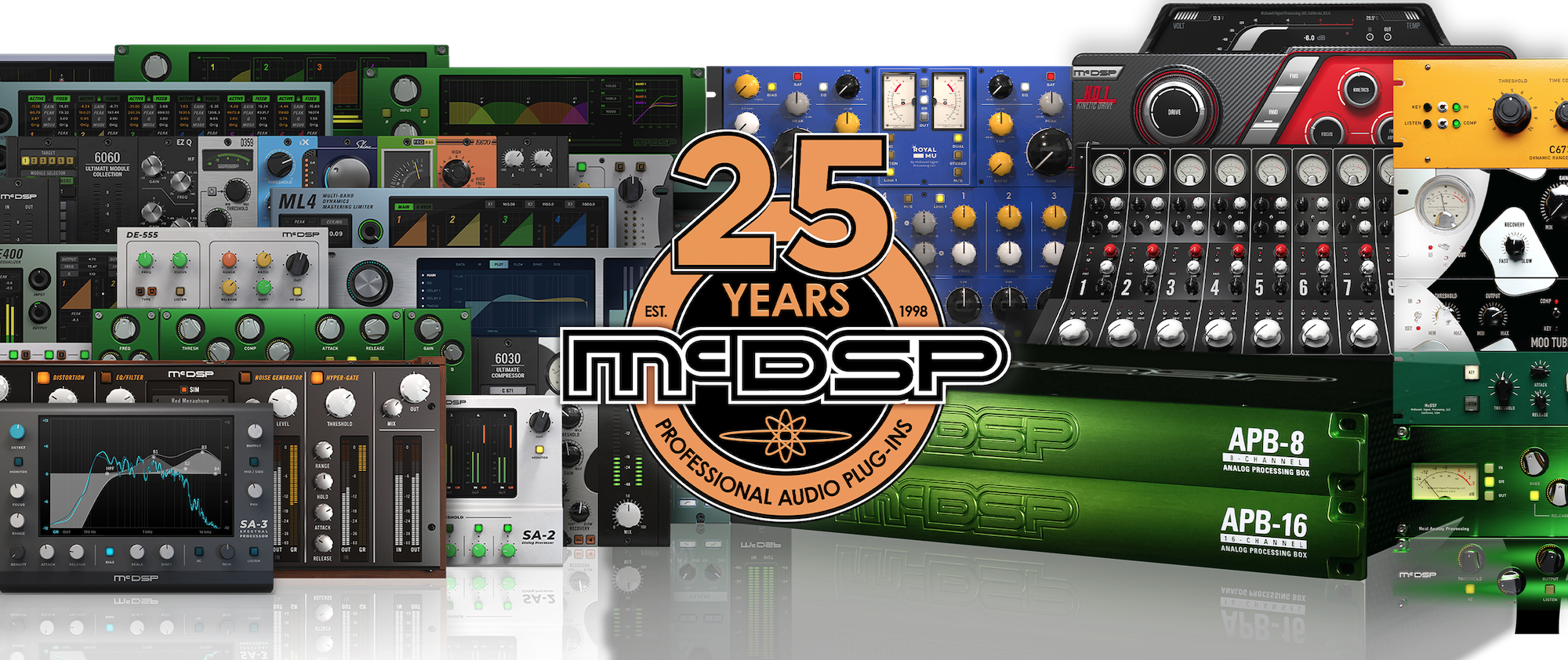
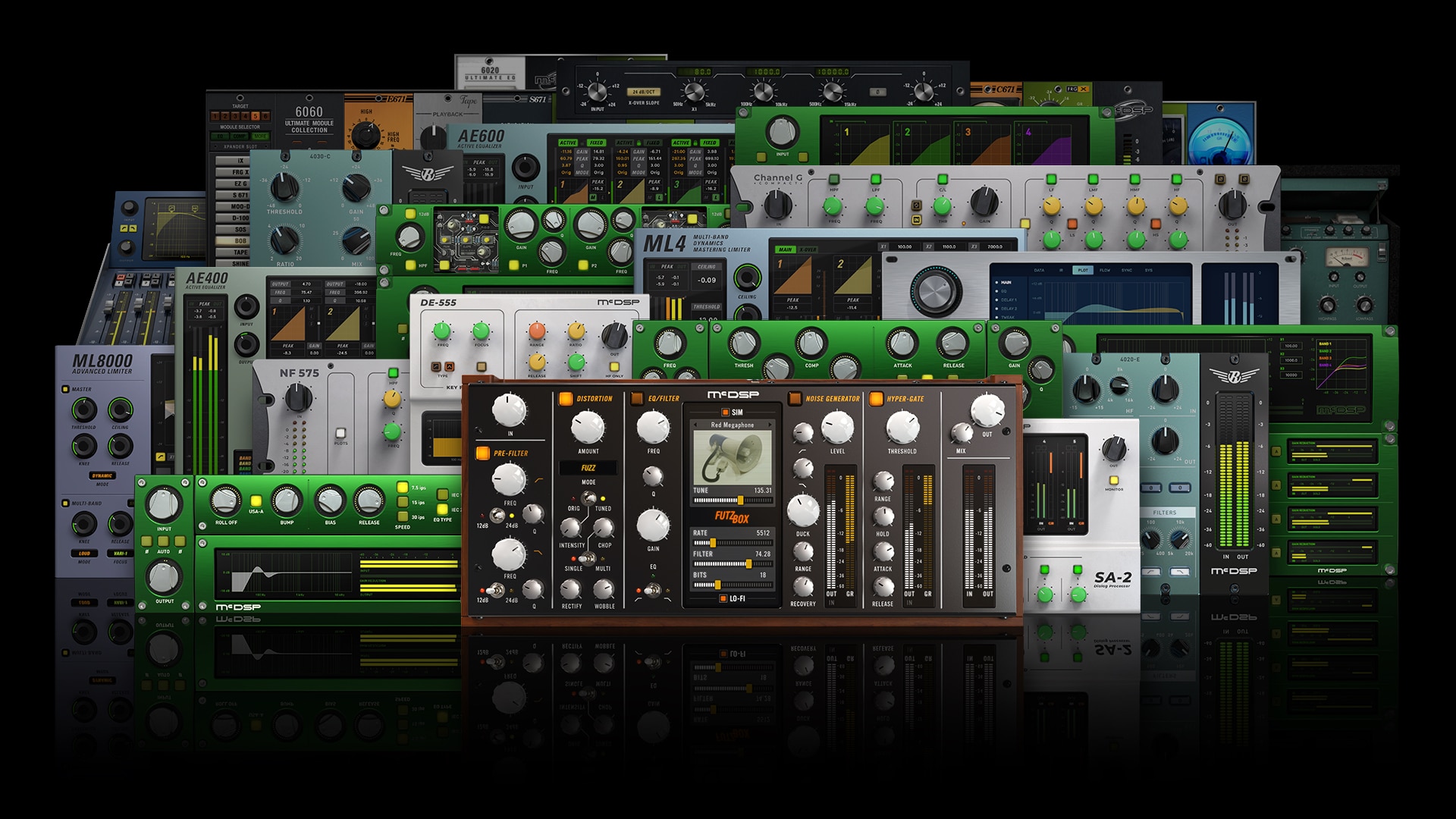
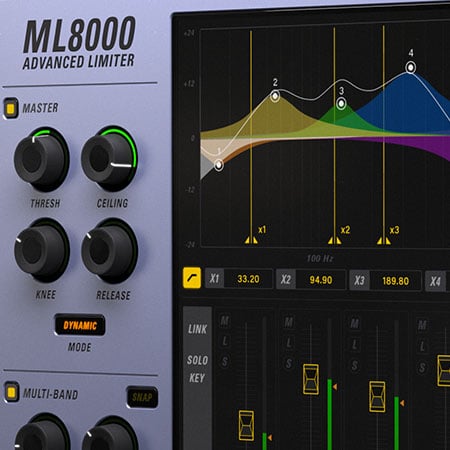
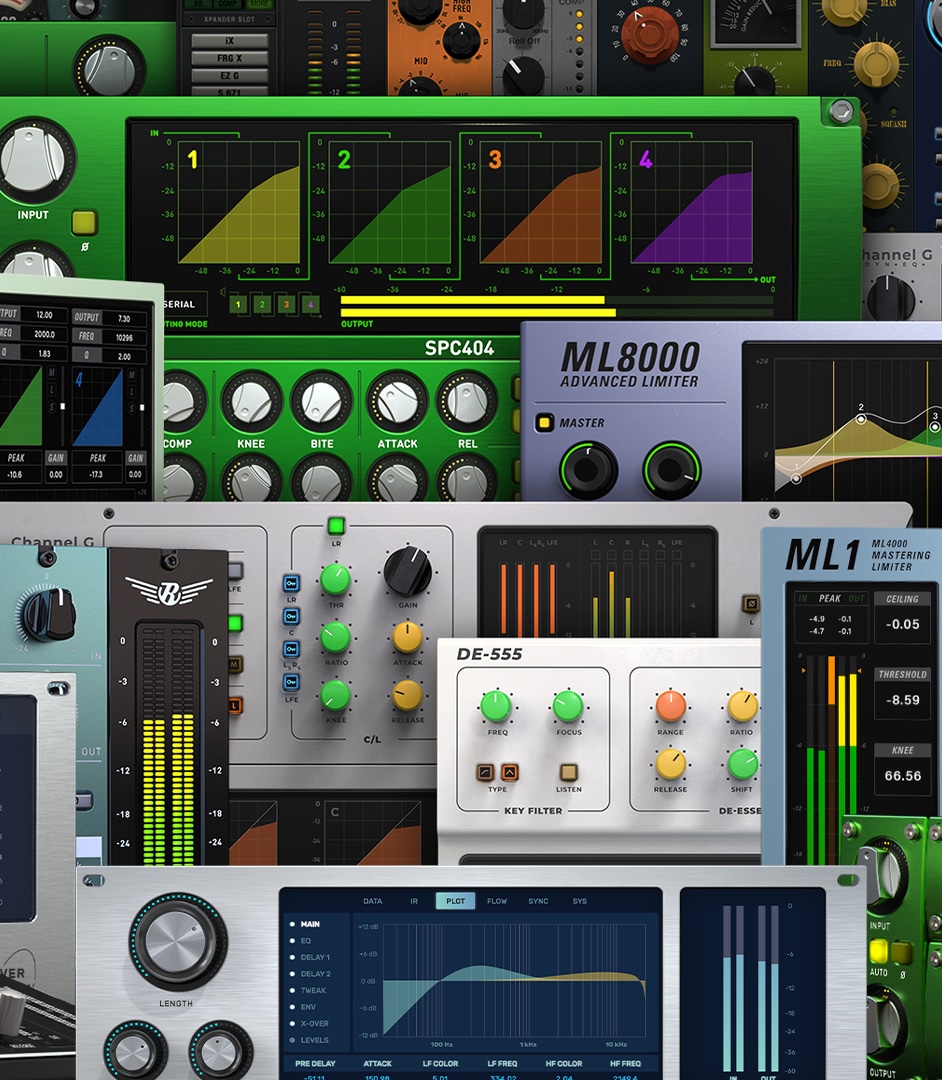
“We love our new McDSP software, we put it on everything!” For both Mani and Omley, they believe the ML4000 mastering limiter has been their secret weapon. Mani says, “It really makes your mixes go from a 7 to a 10 with the click of a button. It’s really been a lifesaver for us. It’s made our placement ratio go up through the roof.” After downloading the ML4000 and using it on 6 of their new songs, they “placed every one of them, making our placement ratio go way up.”
The Jam duo began researching plug-ins after they switched to the Pro Tools HD system. Mani says, “I called up a couple music stores and talked to a couple engineers that I knew I would value their opinion and two or three of them said to go to the McDSP site and check out your stuff. So I downloaded a bunch of them and ML4000 immediately became my best friend as soon as I heard it.” Mani and Omley have just produced a song for Westlife, a popular group in the UK where they had the ML4000 all over the end of the master bus. Also, some of the music that has launched Nickelodeons number one show, Star Camp, used the ML4000 extensively. “It’s cool to see that and know that part of that sound has come from what you guys created….It’s been getting a great response….you’re going to be hearing that [ML4000] on records.”
Channel G has been another McDSP favorite for The Jam. Mani says, “The G Console is amazing! Channel G, that’s really been the only thing we can find that can duplicate the sound of an SSL. It’s been pretty cool when you’re doing mixing and you really got to get into the details. Spreading it over a million dollar board is cool, but you don’t always have access to do that, so having Channel G has been really cool. The dynamics have been really great too.” Mani and Omley began using Channel G after they found it to be a remedy for one of their mixing issues. “On the Westlife song I [Mani] just went up with Louis [Louis Biancaniello]. We were A-Bing the vocals to the record to make sure our vocal tone was matching what they were doing. There was a high-end frequency that we couldn’t quite match and Louis used a combination of the G Console and the dynamic and we recreated that vocal sound using that. That’s how we stumbled on using that plug-in. We were able to put a really nice upper sheen on it.”
Mani and Omely have become avid McDSP fans after finding that McDSP makes the most “turn it on and it works” plug-ins. Being complete plug-in junkies, Mani and Omely believe McDSP has bridged the gap by making great plug-ins that are user friendly, aesthetically pleasing and make making music fun. Omley stressed the importance of having fun when you are making music, “you want to have a good in the studio and plug-ins can sometimes be really dull and boring and these are really lively and colorful, it’s just cool. It’s brought a lot of fun into the mixing process of music which can be really tedious and time consuming, so it’s good to have stuff that you like.” Being songwriters and producers on such a production level has put The Jam in a very aggressive and competitive industry. “You’ve got to have your music sounding competitive and big as possible. I think these plug-ins do the job unquestionably, you turn them on and they work.”

Being known as chameleons in the industry for their ability to work with a variety of artists from pop to hip hop to classical has made The Jam a highly sought after duo. Both individuals bring in their own unique sets of backgrounds and talents and together they have made the perfect blend. Mani says, “Jordan has a pretty heavy hip hop background and I’ve got a lot of R&B, classical, rock and jazz behind me…so together there’s a special synergy.” For young songwriters and those aspiring to make it to the top, Mani’s tip of advice is collaboration. “I think you need to try to get with people who are where you want to be and you will get sucked up into it. That’s what I did…And kick as much ass as you possibly can when you get your opportunity. Amazingly God also blesses your life when you help others…it’s true, especially in this industry” For Omley, he strongly advises that one study the business and study it aggressively.

“As a writer you need to study why songs on the radio are hits and why people walk away singing those songs. There is a formula and there’s a reason why those songs are always being hits. Big hits.”
The bottom line is, The Jam highly recommends McDSP plug-ins to anyone who wants to make their music sound better. “I think any pro-audio guy should have this software in their library, absolutely, no question.”
For more information on McDSP’s ML4000 and Channel G, please follow the links to our product pages.
McDSP is an innovative Silicon Valley audio software company founded in 1998 by Colin McDowell. Beginning with the release of pioneering equalizer plug-in FilterBank, McDSP has continued producing industry acclaimed and award-winning software titles. The original corporate mission remains unchanged: to make the best audio signal processing software ever. McDSP's current focus is creating professional audio plug-ins that evoke the sounds of vintage analog gear, while breaking new ground with unique features and flexibility at the highest fidelity possible.