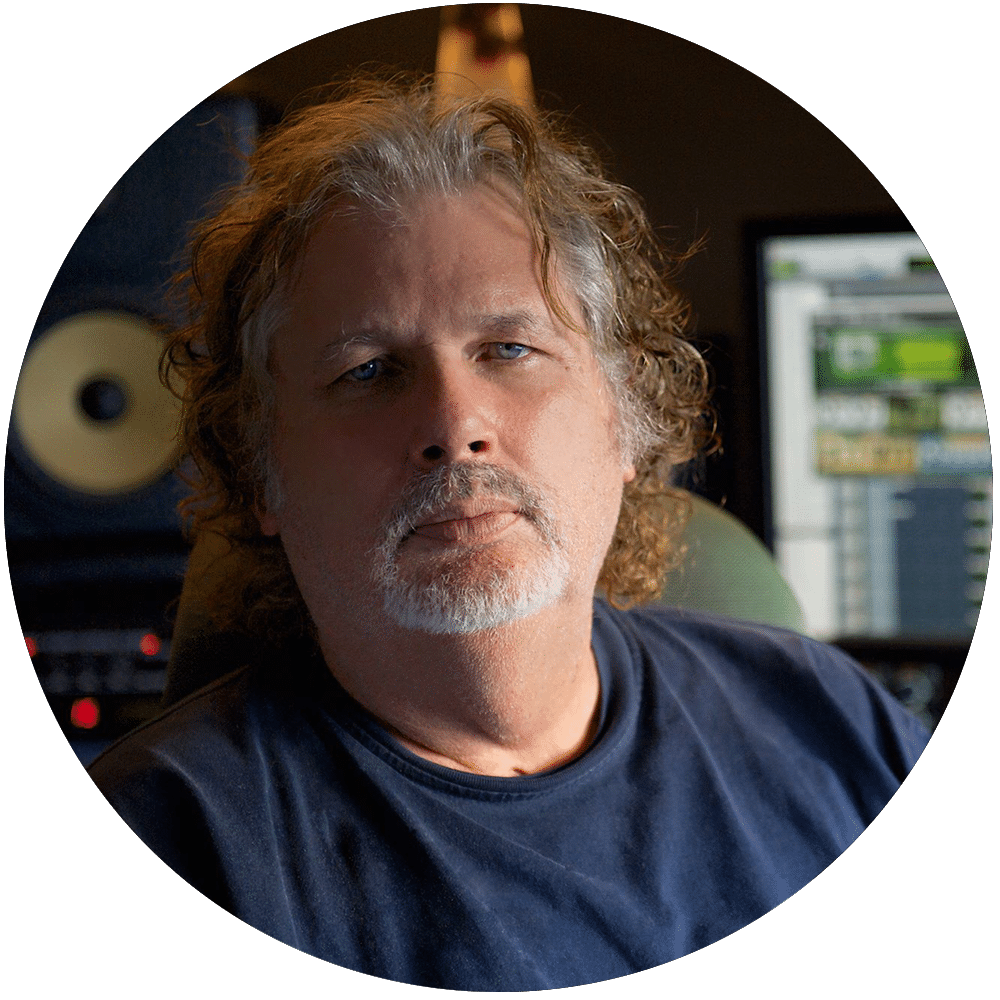
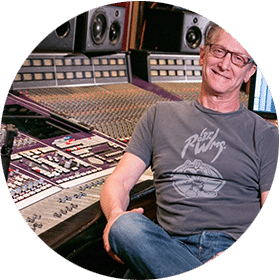
With 38 Gold and Platinum albums to his credit, Mixer/Engineer Richard Chycki has mastered the art of mixing music, especially rock. Chycki has mixed or recorded for Rush, Aerosmith, Mick Jagger, Simple Plan, Pink, Skillet, P. Diddy, Shawn Colvin and many others. Utilizing McDSP plug-ins over many of his hit records, Chycki has come to advocate McDSP products as being the real deal, doing exactly what they’re meant to do.
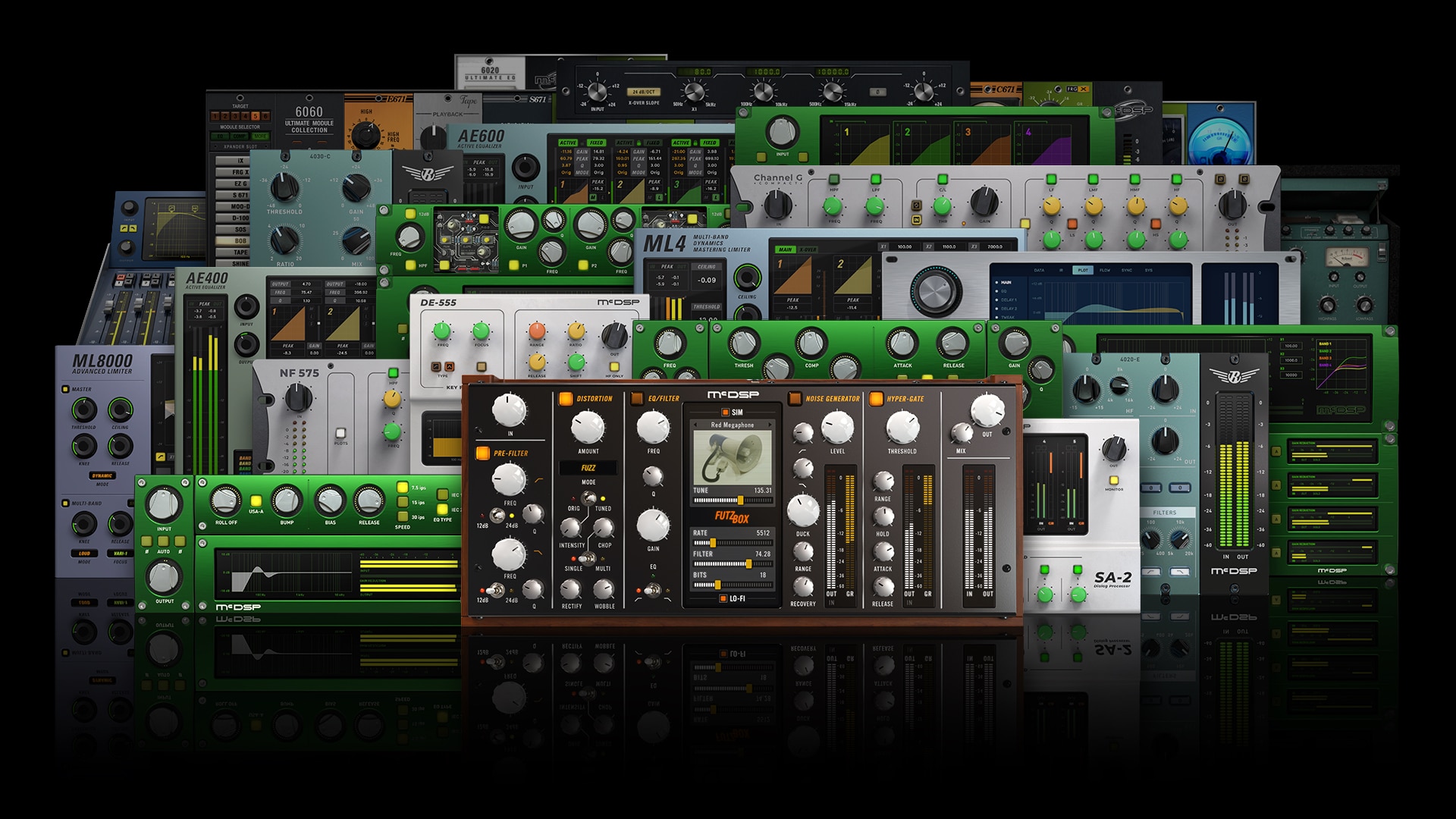
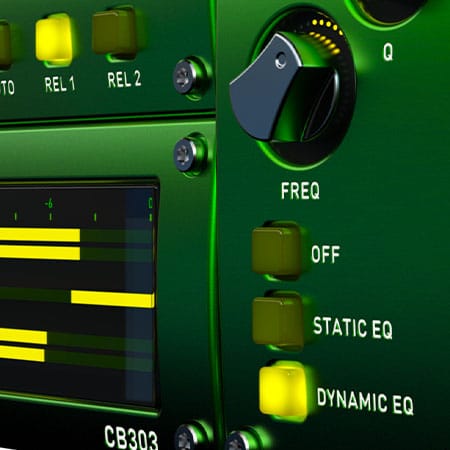
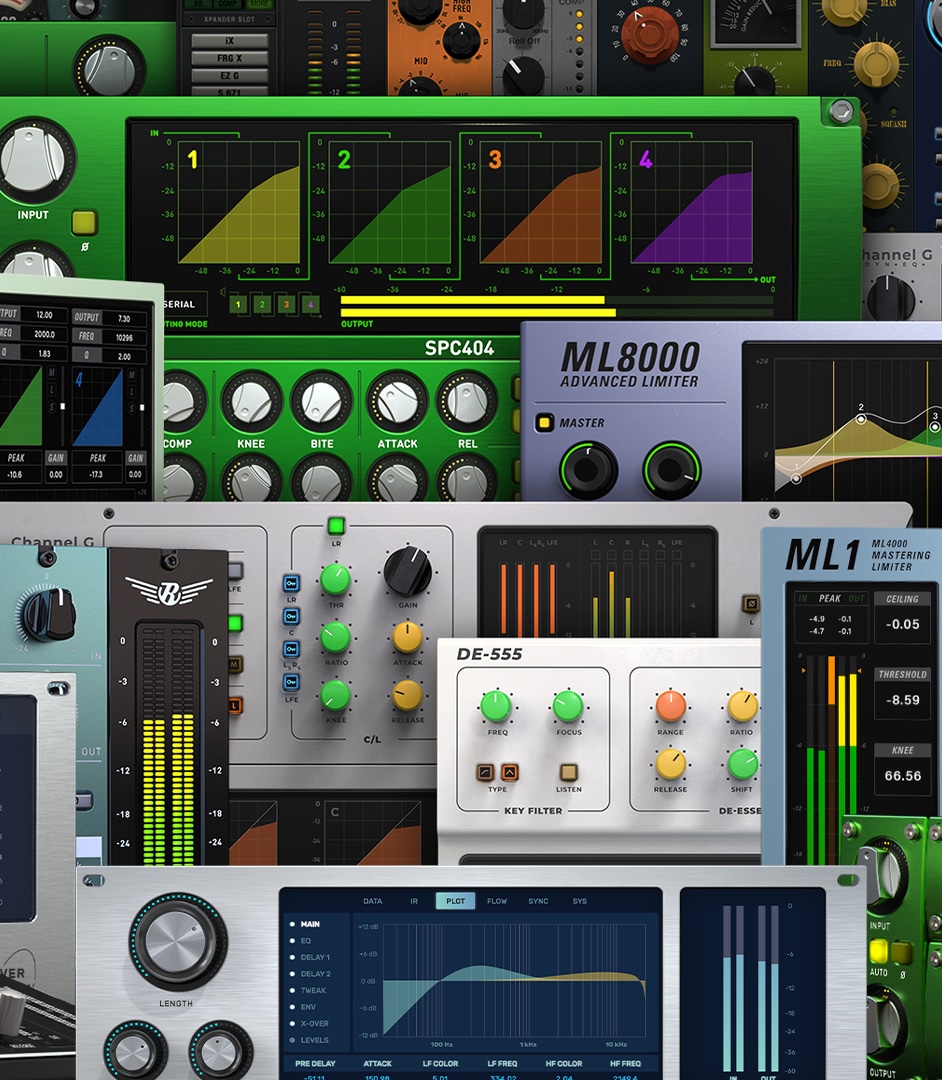
Mixing within ProTools using Digidesign’s ICON digital console, Chycki takes pleasure in having “Filter Bank, ML4000, and MC2000 all mapped beautifully into the center section of the ICON.” Along with these plug-ins, Chycki is also familiar with the McDSP Revolver, CompressorBank, and Analog Channel. FilterBank was Chycki’s first McDSP plug-in to experiment with, and it ended up all over Rush’s Snakes and Arrows album. “I used it on snare, hat, overheads, bass, guitar and some keys. It’s a great sculpting tool. One of my favorite modules in the FilterBank series is the F2, which is the high and low pass filters with flexible peaking at the cutoff frequencies. It’s important to be able to sculpt specific frequency ranges for instruments so that when you’re listening to a track you can have a dense mix and still be able to hear everything.” In Chycki’s line of work, not only is it important to mix a record to CD perfection, but also to mix it to sound great on the radio. FilterBank is Chycki’s go-to plug-in to tweak specific frequency bands. “We can add these hard peaks and really get radio sounding vocals. You also get interesting features with the F2 and the E6 as an EQ for guitars.”
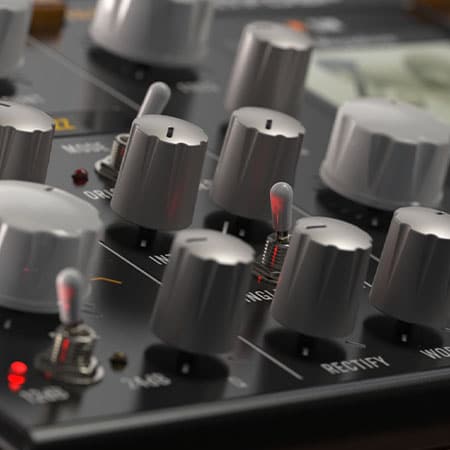
Along with FilterBank, Chycki also enjoys the configurations of the McDSP Analog Channel. In some instances, Chycki finds that an artist may sound too nasally or too thin; this is when the power of Analog Channel comes in handy. “Analog Channel has the ability to add some great chest tone back in. I usually use AC2. I like the tape emulation, I use it a lot of times as an EQ. I like the way it shaves the high end off without sounding EQ’d. Sometimes you’ll get a singer that’s too bright, so I’ll just dial up 12 or 14k and I’ll use Analog Channel to pull that in and of course it adds its own compression to level off things.” Not only can Analog Channel bring a vocal back to life, but it is also great on drums. Chycki enjoys using it specifically on snare and kick; “I really use it like an abused tape machine to get the blat put back into the snare. I also use it on kick, I have to be very gentle with it because it’s easy to get the low end out of hand, but Analog Channel is great for adding that controlled vintage thud.”
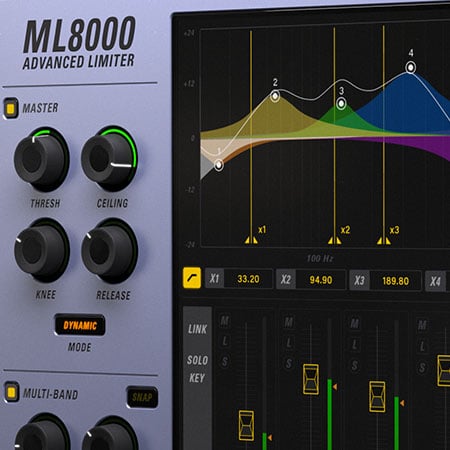
With the ML4000 multi-band compressor, Chycki says, “it’s the only multi-band tool that I’ve found that I can put across a bass track to even out hot spots on a note by note basis. The ML4000 is a revelation in modern audio processing. If there's a track that flies out at you and needs some control, the ML4000 is the first plug-in I can use to elegantly keep it in line without sacrificing its musicality.” Chycki likes to use the ML1 single band version across his stereo mix. It provides a look-ahead mastering limiter that allows user control over a variety of responses ranging from transparent to aggressive. In Chycki’s case, he enjoys sculpting with the ML configurations to get the exact sound he wants to hear back on the CD.
Being one of the main engineers in the Rock genre, Chycki has various mixing philosophies to suit just the right rock in his roll. “Being that a lot of the stuff I mix is modern hard rock, there’s a lot of bottom end energy. So it’s important for me to be able to delegate where the energy goes. If you have too much low end on the guitars, bass might suffer. It’s important that everything is delegated; there are a lot of little frequency bands that I’m dealing with in order for the mix to sound full. You can hear everything, but nothing is competing. It’s a very fine balancing act.” Chycki feels that the art of finding the perfect sonic balance begins at the recording of the individual instruments. “Before I begin the mixing process, there’s a pretty intense triage that’s involved, a pre-mixing assessment of the quality of the instruments to decide what we are going to do to get the instruments to sit where they should. Drums in particular can be a challenge and they are getting more so as drums are often recorded in environments that have a great vibe but aren’t necessarily conducive to good audio. The same evaluation works its way through bass, guitars and all other sources and then the building begins. I tend to apply my compression per track as I go down the line. Once I get to my 2-mix, I don’t smash it really hard; I use a little bit, like I’ll use the ML1 or the ML4 at the end of it and it just takes off any rogue peaks that sort of pop up as opposed to really crushing the mix down.”
With over 20 years experience Chycki says, “whether you’re an artist, producer or engineer, it’s all about the painter and not just the brush.” In musical terms, Chycki believes that no matter what type of console you are working on, or what type of mic you are singing into, the artist, producer or engineer needs to have an intrinsic understanding of the tools at hand and how to apply them first and foremost to succeed. Chycki's advice to those interested in pursing this career is to simply use your ears. “As generic as that sounds, don’t be fooled by your eyes. One of the great things about Pro Tools is that it gives you a visual emulation of the audio, which is a fantastic tool. The visuals with McDSP plug-ins are great, but the bottom line is you have to be able to listen and understand the results of your actions in the audio world. Listen to records that sound great and move you emotionally and ask yourself why you love it? Rip it apart technically and understand what effect it’s having on you as a listener.” Not only knowing and understanding the characteristics of what makes a song great, but knowing how to complement that song with sonics is what Chycki finds to be of the utmost importance. “The ability to hear something and translate it in your head and know how to get there, with it being instinctive to achieve the desired result, that’s the magic of mixing!”
For more information on McDSP’s FilterBank, Analog Channel and ML4000 please follow the links to our product pages.
McDSP is an innovative Silicon Valley audio software company founded in 1998 by Colin McDowell. Beginning with the release of pioneering equalizer plug-in FilterBank, McDSP has continued producing industry acclaimed and award-winning software titles. The original corporate mission remains unchanged: to make the best audio signal processing software ever. McDSP's current focus is creating professional audio plug-ins that evoke the sounds of vintage analog gear, while breaking new ground with unique features and flexibility at the highest fidelity possible.